Jakob Nikolas Kather
Academic profile and media kit. Official biographies, photographs, affiliations, disclosures, funding information, and curriculum vitae for academic, professional, and editorial use.
Photographs
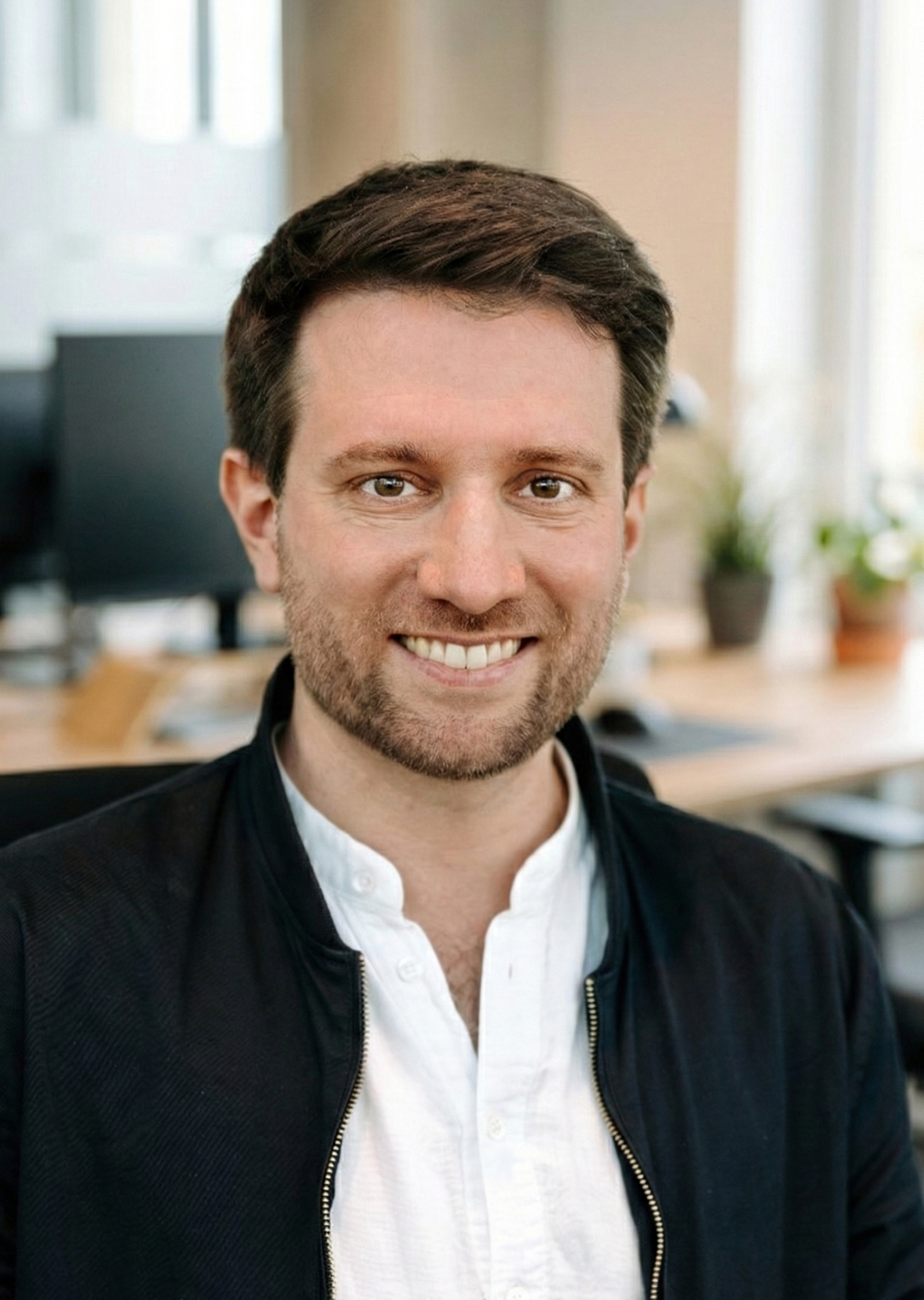
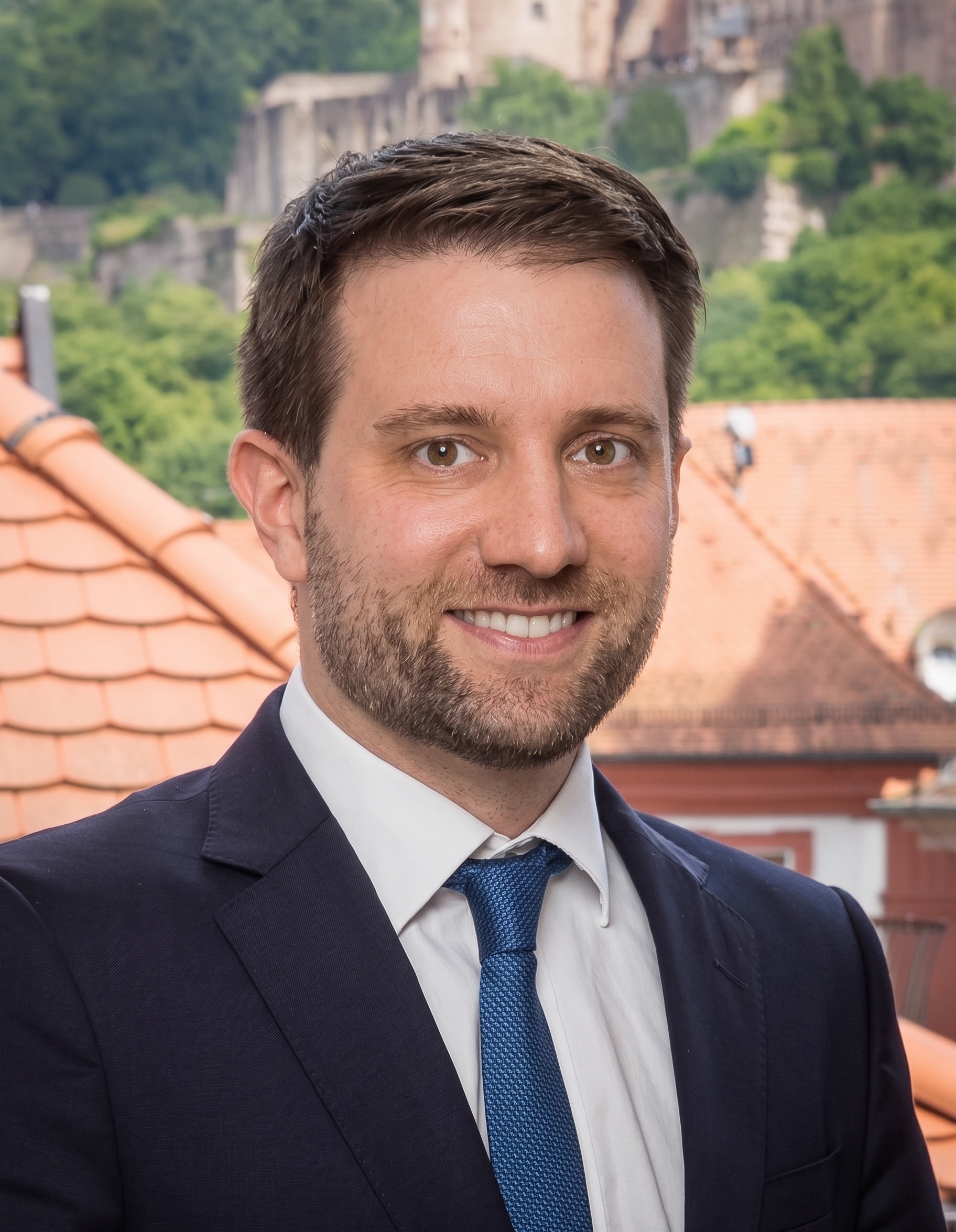
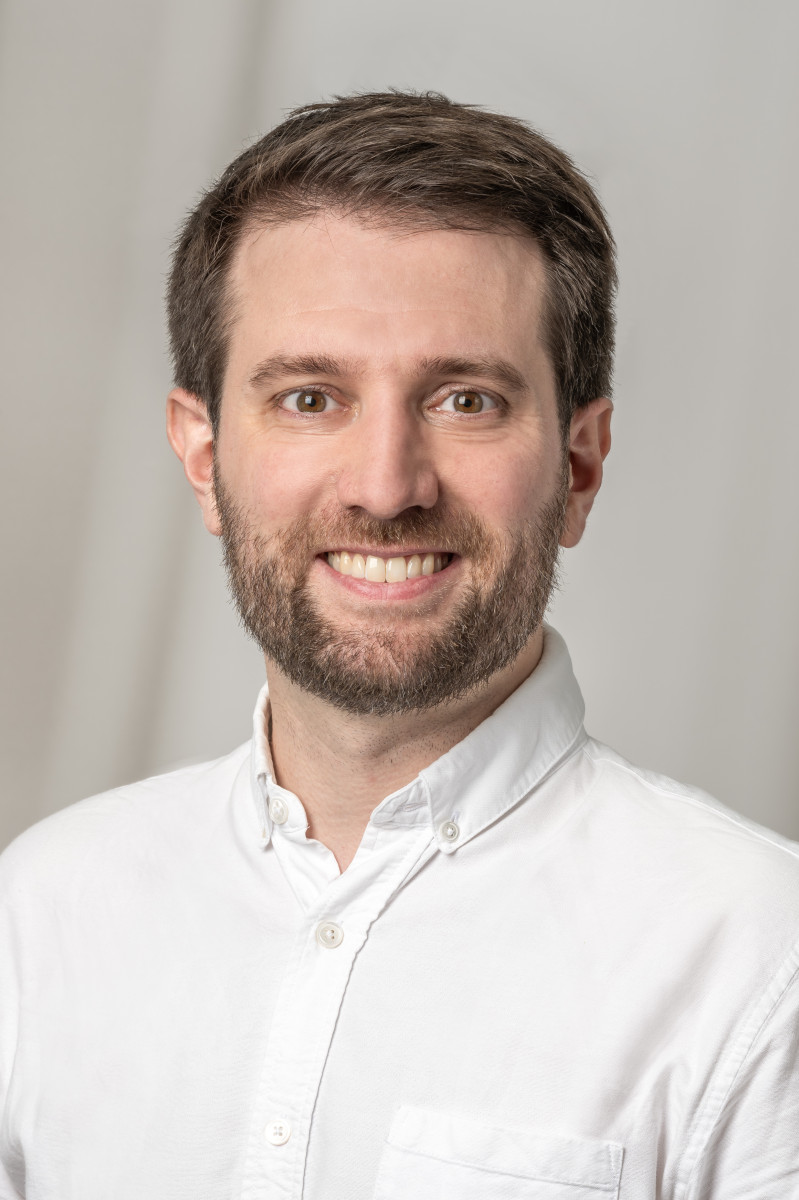
Photo © Jakob Nikolas Kather. Free to use in academic and editorial contexts.
Curriculum Vitae
Academic CV — PDF Career, education, awards, committee and editorial roles, funding, selected publications · 3 pages DownloadLast updated: 4 October 2026. For a full publication list see PubMed or Google Scholar.
Short Bio
Jakob Nikolas Kather is Hopp Foundation Professor of Artificial Intelligence in Medicine at Heidelberg University and founding director of IMAI at Heidelberg University Hospital. Board-certified in internal medicine, he develops AI for oncology and clinical applications. He remains affiliated with TU Dresden.
Medium Bio
Since 1 October 2026, Professor Jakob Nikolas Kather has held the Hopp Foundation Professorship for “Artificial Intelligence in Medicine” at the Faculty of Medicine at Heidelberg University. He is founding director of the Institute for Medical AI (IMAI) at Heidelberg University Hospital and remains affiliated with TU Dresden. He is board-certified in internal medicine and holds a master’s degree in Medical Physics.
His research focuses on the development of artificial intelligence methods for clinical oncology, with an emphasis on AI-based biomarkers from histopathology, swarm learning, and autonomous clinical AI agents. He is the principal investigator of the ERC Starting Grant NADIR and leads research projects funded by the European Union, the German Cancer Aid, and the German Federal Ministry for Research, Technology and Space (BMFTR).
He has authored more than 300 peer-reviewed publications and has received the Felix Burda Award, the Thannhauser Prize, and the Heinz Maier-Leibnitz Prize.
Long Bio
Since 1 October 2026, Professor Jakob Nikolas Kather has held the Hopp Foundation Professorship for “Artificial Intelligence in Medicine” at the Faculty of Medicine at Heidelberg University. He is founding director of the Institute for Medical AI (IMAI) at Heidelberg University Hospital and remains affiliated with TU Dresden. He is board-certified in internal medicine and holds a master’s degree in Medical Physics.
He studied medicine in Heidelberg and Mannheim, where he completed his doctoral thesis summa cum laude on tumor angiogenesis, and obtained a Master of Science in Medical Physics. He held postdoctoral positions at the German Cancer Research Center (DKFZ) and a Junior Professorship at RWTH Aachen University before his appointment to the Chair of Clinical Artificial Intelligence at TU Dresden in 2022. He also served as a senior physician in oncology in Dresden and has led a research group in Medical Oncology at Heidelberg University Hospital since 2020.
His research program develops artificial intelligence for clinical oncology along three main directions: AI-based biomarkers from histopathology, including the demonstration of microsatellite instability prediction directly from H&E slides; swarm learning and explainable AI for distributed medical research; and autonomous AI agents for clinical workflows. He is the principal investigator of the ERC Starting Grant NADIR and leads grants from EU Horizon Europe, the German Cancer Aid, and the BMFTR.
He has authored more than 300 peer-reviewed publications, including papers in Nature Medicine, Nature Cancer, and The Lancet, and is the author of the German textbook „KI in der Medizin“ (Springer). He serves as Co-Chair of the ESMO AI and Digital Oncology Committee, AI series editor at Annals of Oncology, deputy editor at npj Precision Oncology, and editorial consultant for The Lancet. He has received the Felix Burda Award (2025), the Thannhauser Prize (2022), the Heinz Maier-Leibnitz Prize (2021), and the Theodor Frerichs Prize (2020).
Affiliations
1. Institute for Medical AI (IMAI), Heidelberg University Hospital and Medical Faculty of Heidelberg University, Heidelberg, Germany
2. Else Kroener Fresenius Center for Digital Health (EKFZ), Faculty of Medicine Carl Gustav Carus, TUD Dresden University of Technology, Dresden, Germany
Disclosures
JNK holds shares in StratifAI, Synagen, Spira Labs, Tremont AI, and Saterra AI; is Co-PI on institutional research grants from GSK and AstraZeneca, and declares honoraria or consulting fees from AstraZeneca, Bayer, Bioptimus, Daiichi Sankyo, Eisai, Janssen, Merck, MSD, Novartis, BMS, Roche, and Pfizer.
Updated: May 3, 2026
Funding
JNK is supported by the Dietmar Hopp Stiftung through the Hopp Foundation Professorship for Artificial Intelligence in Medicine, the German Cancer Aid DKH (DECADE, 70115166), the German Federal Ministry of Research, Technology and Space BMFTR (PEARL, 01KD2104C; TRANSFORM LIVER, 031L0312A; DEEP-HCC, 031L0315A; DECIPHER-M, 01KD2420A; PROSURV, 01KD2509C; IMPACT-CRC, 01KU2605), the German Research Foundation DFG (SFB 1709/1 2025, 533056198), the European Union (ODELIA, 101057091; GENIAL, 101096312; IMPACT-OC), the European Research Council ERC (NADIR, 101114631), the Breast Cancer Research Foundation (BELLADONNA, BCRF-25-225) and the National Institute for Health and Care Research NIHR (Leeds Biomedical Research Centre, NIHR203331). The views expressed are those of the author(s) and not necessarily those of the NHS, the NIHR or the Department of Health and Social Care. This work was funded by the European Union. Views and opinions expressed are, however, those of the author(s) only and do not necessarily reflect those of the European Union. Neither the European Union nor the granting authority can be held responsible for them.
Updated: October 4, 2026
Contact
For invitations, interview requests, photo and logo files, or further information, please write to KatherLab@med.uni-heidelberg.de .